

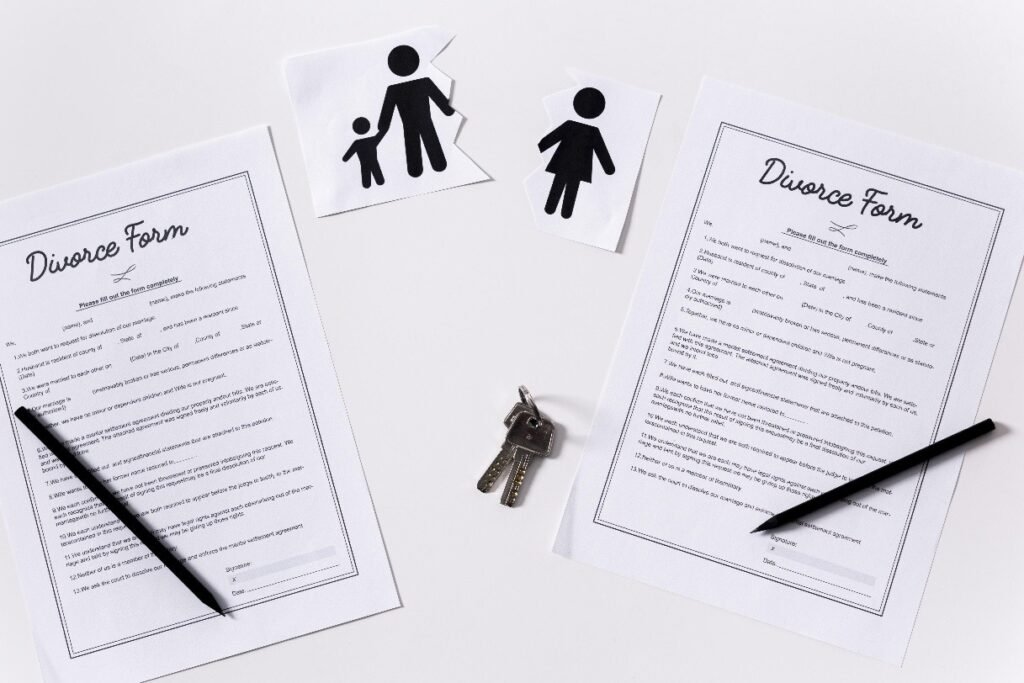
Filing for divorce in Manitoba requires meeting specific legal conditions under Canadian federal law and following a structured court process. Most couples qualify by proving a breakdown of the marriage, commonly through a one-year separation. Working with a divorce lawyer in Manitoba helps ensure the filing is completed correctly, documents are accurate, and key issues such as parenting arrangements, support, and property division are addressed properly.
At MA Adebisi Law Office, guidance through the legal steps often becomes the difference between a stressful process and a structured one. Individuals seeking divorce help in Manitoba usually benefit from understanding both the legal requirements and the practical decisions that shape the outcome.
Table of Contents
- Legal Grounds for Divorce in Manitoba
- Eligibility and Residency Requirements Before Filing
- Step-by-Step Process to File for Divorce in Manitoba
- Key Issues Courts Examine During Divorce Proceedings
- Common Misconceptions About Divorce in Manitoba
- When Legal Guidance Becomes Strategically Important
- Frequently Asked Questions
- Quick Takeaway
Legal Grounds for Divorce in Manitoba
Canadian divorce law operates under the Divorce Act, which applies across all provinces. The law recognises only one legal basis for divorce: breakdown of the marriage.
Courts determine this breakdown through three possible circumstances:
- One-year separation between spouses
- Adultery by one spouse
- Cruelty, either physical or mental
In practice, the vast majority of divorces rely on the one-year separation rule. Couples may live in the same home during this period if they clearly live separate lives.
From an operator’s perspective at MA Adebisi Law Office, separation-based filings tend to be the most straightforward. Allegations involving adultery or cruelty often require additional evidence and may introduce unnecessary complexity.
Eligibility and Residency Requirements Before Filing
Before starting a divorce application, at least one spouse must meet the Manitoba residency requirement.
Key criteria include:
- One spouse must have lived in Manitoba for at least 12 months before filing.
- The marriage must be legally recognized in Canada.
- A valid marriage certificate must be available.
If these conditions are not satisfied, courts will not accept the divorce application.
Many people assume divorce must be filed where the marriage occurred. That is not the case. Filing takes place where the spouses reside, not where the wedding happened.
Step-by-Step Process to File for Divorce in Manitoba
The divorce process follows a defined court procedure. Understanding the steps reduces delays and procedural mistakes.
1. Prepare the Divorce Application
A divorce begins by filing a Petition for Divorce with the Manitoba Court of King’s Bench.
The petition typically outlines:
- Grounds for divorce
- Parenting arrangements (if children are involved)
- Child support or spousal support requests
- Division of marital property
Accuracy at this stage matters. Incomplete filings often lead to delays.
2. File Documents With the Court
Once completed, the documents must be filed at the appropriate court registry.
Required documents may include:
- Marriage certificate
- Divorce petition
- Financial statements (if support issues exist)
Court filing fees also apply.
3. Serve the Divorce Papers
After filing, the other spouse must formally receive the documents through a process called service.
Service must follow legal standards. Usually this is done by:
- A professional process server
- A third party over the age of 18
Personal service ensures the court recognizes that both parties are aware of the proceedings.
4. Response Period
The spouse receiving the petition has an opportunity to respond.
Typical response timelines include:
- 20 days if the spouse lives in Manitoba
- 40 days if living elsewhere in Canada or the United States
If no response is filed, the case may proceed as an uncontested divorce.
5. Resolving Parenting, Support, and Property Issues
Divorce applications often involve more than simply ending the marriage. Courts review several related matters.
Common issues include:
- Parenting time and decision-making responsibility
- Child support calculations
- Spousal support
- Division of family property
Courts must ensure reasonable arrangements for children before granting a divorce order.
6. Final Divorce Order
Once all issues are resolved and the court is satisfied with the documentation, a divorce judgment is granted.
However, the divorce becomes legally final 31 days after the order.
At that point, both parties are legally free to remarry.
Key Issues Courts Examine During Divorce Proceedings
Divorce proceedings often involve several overlapping legal and financial considerations. Courts focus primarily on fairness, child welfare, and legal compliance.
The table below outlines the main areas examined.
| Issue | What the Court Evaluates |
| Parenting arrangements | Best interests of the child |
| Child support | Federal Child Support Guidelines |
| Spousal support | Income levels, marriage length, economic impact |
| Property division | Equalization of marital assets |
| Debts | Allocation of shared financial obligations |
At MA Adebisi Law Office, many clients initially focus only on the divorce itself. In reality, the financial and parenting arrangements often shape long-term outcomes far more than the divorce order alone.
Common Misconceptions About Divorce in Manitoba
Several persistent misunderstandings complicate the divorce process.
Misconception 1: Separation Must Occur in Different Homes
Courts recognize in-home separation. Couples may remain under one roof if they live separate lives and function independently.
Misconception 2: Divorce Automatically Divides Property
Divorce and property division are technically separate legal matters. Property claims often proceed under Manitoba family property legislation.
Misconception 3: Both Spouses Must Agree to Divorce
Consent simplifies the process but is not legally required. A spouse cannot prevent a divorce once legal requirements are met.
Misconception 4: Divorce Always Requires a Court Hearing
Many uncontested divorces are processed without appearing before a judge.
Understanding these distinctions often reduces unnecessary anxiety during the process.
When Legal Guidance Becomes Strategically Important
While some divorces appear straightforward, complications frequently arise when financial, parenting, or emotional pressures intersect.
Legal guidance becomes especially important when:
- Children are involved
- One spouse controls most finances
- Property ownership is complex
- Business assets exist
- There is disagreement about support
At MA Adebisi Law Office, clients often arrive after attempting to navigate early steps alone. Small procedural mistakes can delay filings or weaken negotiating positions later.
Careful preparation tends to produce better outcomes than reactive legal decisions.
Frequently Asked Questions
A divorce lawyer in Manitoba assists with preparing legal documents, filing court applications, negotiating settlements, and addressing issues such as parenting arrangements, support, and property division. Legal guidance ensures the divorce process follows Manitoba court rules while protecting each client’s legal and financial interests.
Uncontested divorces typically take three to six months once the one-year separation requirement is satisfied. Contested divorces involving disputes about parenting, support, or property can take significantly longer depending on court schedules and negotiation progress.
Not always. One spouse may retain legal counsel while the other represents themselves. However, independent legal advice is generally recommended, especially where financial assets, parenting arrangements, or long-term support obligations are involved.
Yes. Mediation and negotiated settlements are common. Many couples resolve parenting and financial matters outside the courtroom, then submit the agreement to the court for approval as part of the divorce process.
The one-year separation rule is the most common pathway. However, divorces can proceed sooner if adultery or cruelty is proven. These grounds require stronger evidence and are less commonly used.
Quick Takeaway
Filing for divorce in Manitoba involves more than completing legal paperwork. The process requires meeting residency rules, establishing grounds for divorce, resolving parenting and financial issues, and navigating court procedures correctly.
Clear understanding of the legal framework allows individuals to approach divorce with greater confidence and stability. From an operator’s perspective at MA Adebisi Law Office, the most successful outcomes usually begin with one simple step: gaining a clear view of the process before the first document is ever filed.
Proud member of the Canadian Bar Association and Winnipeg Chamber of Commerce, and an accredited business with the Better Business Bureau, serving clients across Winnipeg Manitoba.